A Reflection on Magnifica Humanitas
The last two popes chose names that pointed out what their main concern in their ministry would be.
Pope Francis took the name of a man who advocated for the poor among us. Pope Leo XIV took the name of the pope who advocated for dignity of the workers in the world. Pope Leo XIII wrote the first encyclical speaking of the dignity of workers. His encyclical Rerum Novarum spoke of how the church should be an instrument for change in the world.
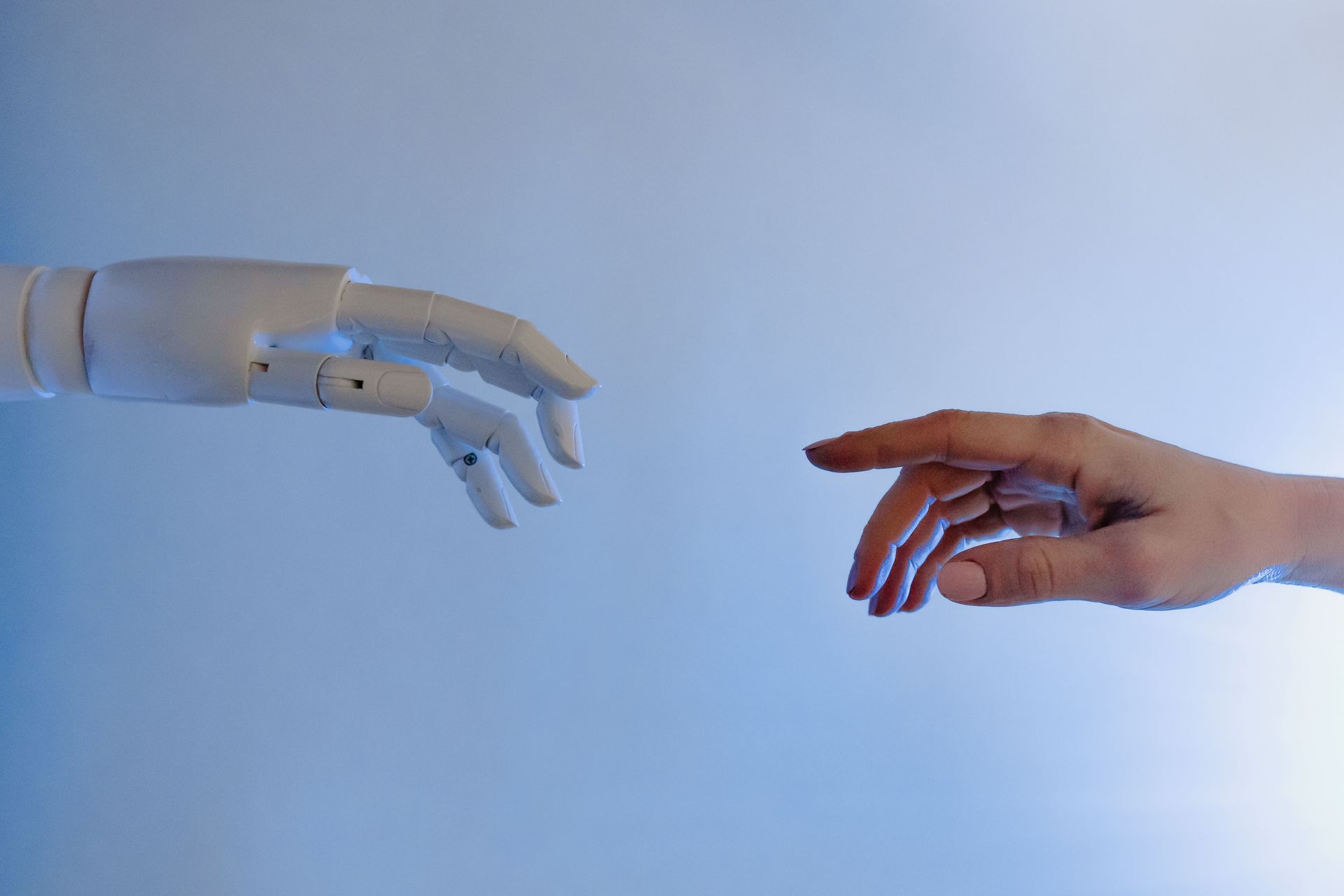
Pope Leo XIV, in his encyclical Magnifica Humanitas, addresses his concern for the use of AI in our world. AI used in the correct way can be of benefit to humanity. Used in the wrong way, AI can lead to taking away the humanity of people. He uses two images to speak of AI. AI used in the wrong way can be like the Tower of Babel. The Tower of Babel, as found in the book of Genesis, was a tower built by people who sought glory for themselves. They had a single technology, a single goal all directed toward themselves without a concern for God. They started out united and the project caused division. Here is how Pope Leo puts it in his encyclical:
The result is not unity, but dispersion. Babel thus reveals the limits of any effort that, however grandiose, arises from self-affirmation, sacrifices human dignity for efficiency and aspires to reach heaven without God’s blessing.
The second image is taken from the book of Nehemiah, where the walls of Jerusalem were rebuilt. This is the image for the correct use of AI -- a technology that unites people, with God at the center, and preserves the dignity of the human person. Again, Pope Leo:
It is an undertaking with God at the center, which rebuilds relationships before rebuilding with stones. Thus, ancient Jerusalem rediscovers a common language -- not one of uniformity, but one of communion, namely the harmony that arises when all persons assume their own role and recognize that their strength comes from the Lord.
The pope expresses concern that AI may be used in ways that deny the unique nature of humans.
As we go forward, we need to decide what we will build: will we build a Tower of Babel or the city of Jerusalem?
The Pope ends his reflections by giving Mary’s song, the Magnificat, as the example on how we go forward:
With the same faith as Mary, let us become “weavers of hope” in our world, sharing who we are and what we have, so that the presence of Jesus may grow among us and his Kingdom take shape. In the humble fidelity of daily life, even the era of AI can become a time in which the Holy Spirit brings about the civilization of love in our lives. Indeed, the Lord continues to make all things new and offers every era the possibility of becoming part of salvation history in the light of the Incarnation. I entrust our desire to the Mother of Christ, to the Woman of the Magnificat, that she may guide our steps through this time of change and preserve in each of us true faith in the Gospel, so that we may bear witness to the grandeur of humanity, in which God has made his dwelling.