Sixteenth Sunday in Ordinary Time, Year A
There is a 16-acre field that stretches up behind my house on what used to be my father’s farm. This spring, the farmer that rents that field planted a “new seeding” of alfalfa haycrop, rotating it out of corn production from the previous year. He tilled the soil, carefully incorporating the remains of the previous corn crop, making the ground level. He then rolled it with a large smooth roller to smooth the ground, push down the stones and make a firm seedbed. He seeded the alfalfa, and then rolled the ground again, making sure there was good seed-soil contact, to ensure the alfalfa, which too is the smallest of seeds, would germinate. Then he left the field. And waited. And hoped. And trusted. For the planting of seed is an act of faith.
That field of newly seeded alfalfa behind my house sprang up with great vigor in May and early June. It looked wonderful — a solid stand. The rain in the third week of June benefited the crop as it was getting dry, but brought with it as well a flush of an unwanted crop — weeds! This farming reality mirrors Jesus’s reminder in the parable that with the good seed of God sown and growing, there will always be weeds of the world — be they people, places, or things — that will compete with the growth of God’s Kingdom. In perhaps a surprising twist in the parable, the farmer instructs the laborers not to pull the weeds, lest they uproot the good crop as well. This is an exhortation to trust and patience in the action of God. While weeds can be devastating to a crop, in the Kingdom of God, it's important to remember that these weeds were once sown as good seed. St. Isadore of Pelusium, a fifth-century Desert Father of the Church, taught that God, the Master of the Harvest, is patient, and the weeds are not to be immediately pulled and burned, in order to give time for us to repent and mend our ways, that we might become good grain again. What? Weeds turned into good grain? Impossible, we think? But St. Isadore reminds us, lest we forget, of the striking examples of St. Peter and St. Paul, who strayed in sin, and yet with God’s grace and repentance went on to yield good and abundant fruit. Indeed, this is the story of so many of the saints! Thanks be to God for a merciful Father who “[gives] his children good ground for hope that [he] would permit repentance for [our] sins” (Wis 12:19b) — giving us a chance to become good grain again!
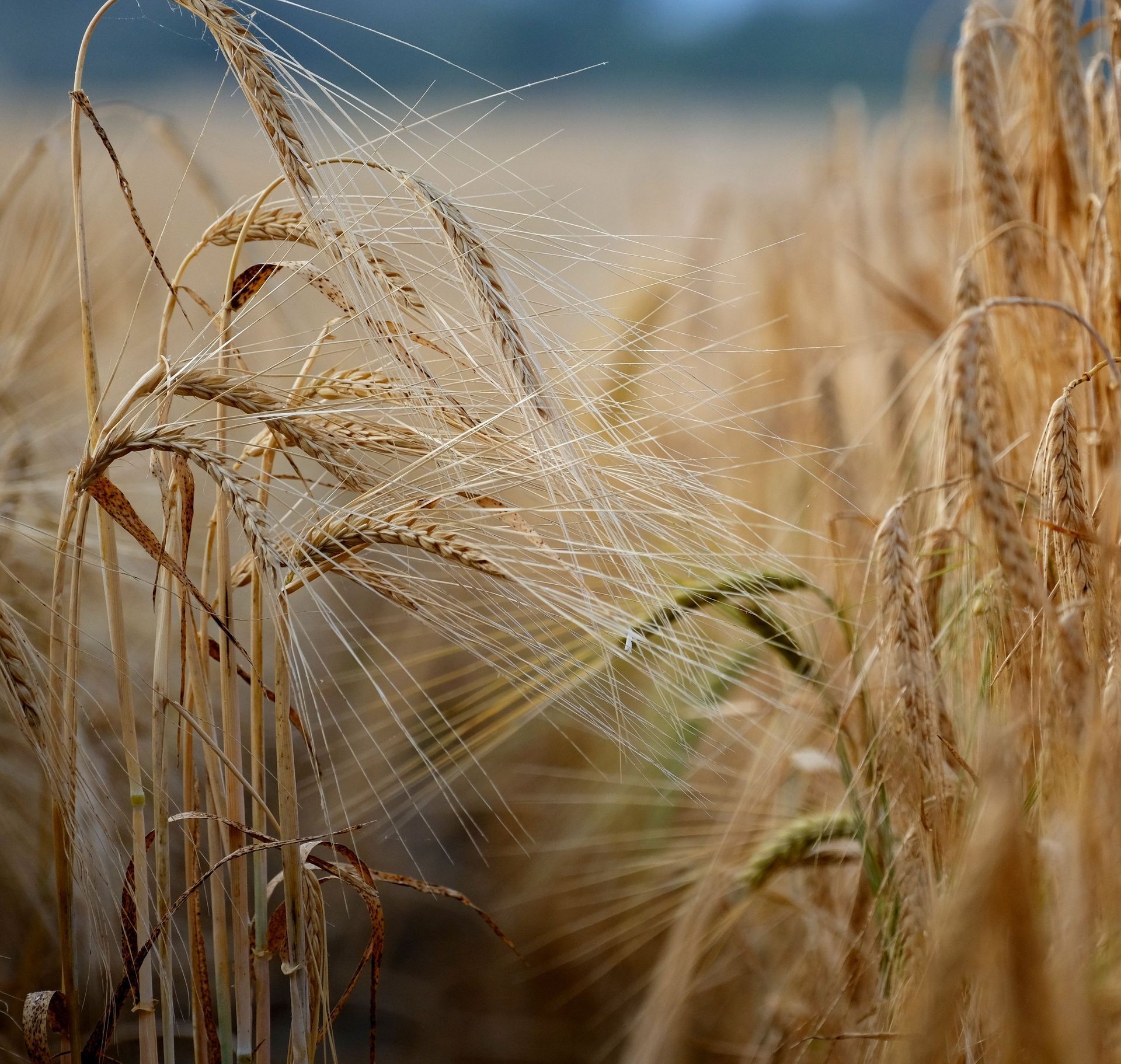
One more thing about that field of newly-seeded alfalfa that became full of weeds. It was what we would term a “clear seeding”, which is a seeding solely of the intended principal crop (alfalfa in this case). There is another strategy that farmers employ to manage weeds in a new seeding, which is to plant them with another intended crop, usually a small grain like oats or barley. We call this other crop a companion crop. The companion springs up early and outcompetes the weeds, holding them at bay. Yet, due to its narrow but tall stature, it allows light down into the canopy to nurture the alfalfa. The result is two intended crops that thrive, helping each other yield a valuable and bountiful harvest. This agricultural practice reminds us that we are never Christians in isolation, but are indeed Christians in communion — companions that help each other on the journey towards the eternal harvest. That journey is the journey of holiness. The Church teaches that we are all called to holiness. That is our ultimate state of being for which we each are created. God sows us as companion crops for each other that we might help each other to grow in holiness, helping each other along the way by example and by deeds of love, kindness, and mercy, which sometimes include fraternal correction. Deeds which sometimes are the smallest of seeds, but grow to have the greatest of effect on each other. When we help each other grow in holiness, we fill the world with companion crops, keeping the weeds of the world at bay.